


How to Choose the Best Rollator for Indoor and Outdoor Use
- bescomeds
- Oct 23, 2025
- 4 min read
Updated: Feb 17
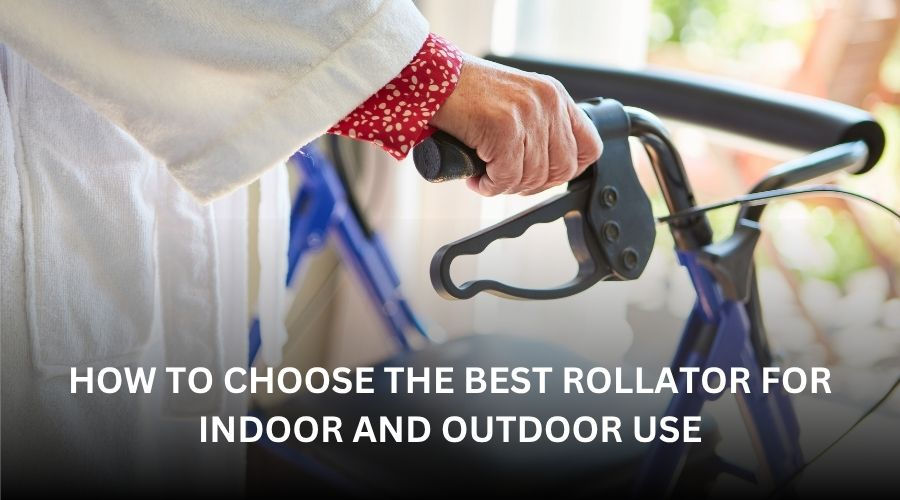
Selecting the right rollator can make a remarkable difference in mobility, independence, and comfort. Whether for personal use, caregiving, or sourcing from a wholesale rollator supplier, understanding what makes a rollator suitable for both indoor and outdoor use is essential. This guide explains how to choose the ideal rollator based on build, safety, and design features.
Understanding the Purpose of a Rollator
A rollator is more than just a walking aid; it’s a mobility-enhancing tool designed to provide support and freedom of movement. Unlike standard walkers, rollators feature wheels and a seat for rest, making them ideal for both home and outdoor environments. The right choice depends on stability needs, terrain conditions, and usage frequency.
Indoor vs. Outdoor Rollators: The Core Difference
Indoor rollators are typically lightweight and compact, designed to move smoothly across narrow spaces and polished floors. Outdoor rollators, however, have larger, more durable wheels and robust frames to handle uneven surfaces. A balanced model bridges these needs, ensuring flexibility in both environments without compromising stability or comfort.
Key Considerations When Choosing a Rollator
The process of selecting a rollator should focus on design, materials, comfort, and functionality. These factors determine how well the rollator performs under different conditions and directly influence user safety and convenience. Evaluating these aspects helps identify models suited for mixed indoor and outdoor use.
1. Frame Material and Durability
The frame material defines a rollator’s strength and portability. Aluminum rollators are particularly popular due to their balance of durability and lightness. Many aluminum rollator wholesalers now offer reinforced frames that resist corrosion and remain easy to maneuver. According to Mobility Equipment Standards (2024), aluminum models are 25% lighter on average than steel variants, improving transportability and long-term comfort.
2. Wheel Design and Size
Wheel size determines how the rollator handles different surfaces. For indoor settings, small wheels provide better control and precision. For outdoor use, larger, rubberized wheels ensure smoother rides on gravel or pavement. A hybrid rollator featuring medium-sized wheels offers excellent adaptability, ensuring effortless movement both indoors and outdoors.
3. Foldability and Portability
Convenience matters, especially when moving between spaces or traveling. A well-designed rollator should fold compactly without losing structural integrity. Besco Medical, a leading rollator manufacturer, designs foldable models with secure locking mechanisms, allowing users to store or transport them easily. Portability is particularly important for seniors or caregivers who frequently move the rollator in and out of vehicles.
4. Comfort and Ergonomic Design
Comfort enhances usability and encourages consistent mobility. Padded seats, adjustable handles, and supportive backrests are key for longer walks or resting periods. The National Mobility Health Survey (2024) found that 72% of users preferred rollators with ergonomic grips and cushioned seats, citing reduced wrist strain and better posture during extended use.
5. Safety Features and Braking System
A reliable braking system ensures control, especially when navigating slopes or uneven outdoor paths. Loop brakes and pressure-sensitive handles offer better safety and control. For indoor use, responsive brakes prevent accidental slips on smooth flooring. Many wholesale rollator suppliers now integrate dual-brake systems for added assurance in mixed-use conditions.
6. Weight Capacity and Stability
A rollator’s weight capacity directly impacts safety and performance. Most standard models support 250 to 300 pounds, while heavy-duty variants handle more. Stability comes from balanced wheel placement and a low center of gravity. Ensuring these aspects are considered helps avoid tipping, which is particularly crucial when using the rollator outdoors.
7. Storage Options and Accessories
Practical storage features, such as under-seat baskets or removable bags, make rollators functional for daily errands. Outdoor users often value waterproof storage for personal items, while indoor users prefer compact compartments for convenience. Some manufacturers, like Besco Medical, enhance their models with accessory customization options, meeting diverse user needs.
Comparing Rollator Types for Mixed Use
Selecting between three-wheel and four-wheel rollators depends on maneuverability and stability preferences. Three-wheel models are compact and agile for indoor use, while four-wheel designs offer maximum stability outdoors. A hybrid rollator offers the best of both worlds, combining an easy turning radius with solid outdoor support.
Importance of Choosing the Right Supplier
When sourcing in bulk, partnering with reputable rollator manufacturers and aluminum rollator wholesalers ensures consistent quality and product reliability. Suppliers like Besco Medical follow strict ISO-certified production standards and provide custom specifications for various user groups. Reliable suppliers also offer after-sales support, warranty coverage, and spare parts availability, crucial for long-term satisfaction.
Price vs. Quality: Finding the Balance
While price plays a role, it shouldn’t compromise safety or comfort. Low-cost rollators may use inferior materials or outdated braking systems. According to Mobility Industry Insights (2025), buyers who prioritize quality rollators experience 40% fewer maintenance issues and longer lifespan per unit. Investing in a high-quality product ensures value and reliability.
Maintenance Tips for Extended Lifespan
Regular maintenance extends the usability of a rollator and enhances safety. Keep the wheels clean, check the brakes frequently, and inspect folding joints for wear. For aluminum frames, periodic cleaning prevents corrosion and ensures smooth mobility. Following these practices reduces replacement frequency and enhances user confidence in daily use.
Why Aluminum Rollators Dominate the Market
Aluminum rollators strike the right balance between strength, portability, and cost-efficiency. Their lightweight nature makes them ideal for elderly users, while their corrosion resistance supports long-term outdoor use. Many wholesale rollator distributors now prefer aluminum variants due to their strong resale demand and minimal maintenance requirements.
The Role of Innovation in Rollator Design
Modern rollators now integrate smart mobility solutions like adjustable tension control, anti-tip mechanisms, and modular components. Leading manufacturers such as Besco Medical continue to innovate in ergonomic engineering, ensuring each model adapts to diverse environments. These advancements make today’s rollators not just supportive devices but lifestyle enablers.
Conclusion
Choosing the best rollator for indoor and outdoor use involves balancing comfort, functionality, and reliability. Prioritize strong yet lightweight frames, ergonomic design, and dependable braking systems. Whether you are a buyer exploring wholesale rollator options or a healthcare provider seeking trusted rollator manufacturers, investing in quality ensures mobility, independence, and peace of mind for users.
More Resources:


Comments